Destination charging (Level 2)
Public destination charging stations are also known as “Level 2 public charging stations” or “240V public charging stations.” They are designed to charge an electric vehicle while it is parked for a certain period of time, allowing you to go about your other activities.
They can be found, for example:
- on the street;
- in municipal parking lots;
- in parking lots at stores, restaurants, and shopping centers;
- in downtown areas;
- in parks;
- at tourist attractions;
- at hotels;
- at sports centers;
- and at workplaces open to the public.
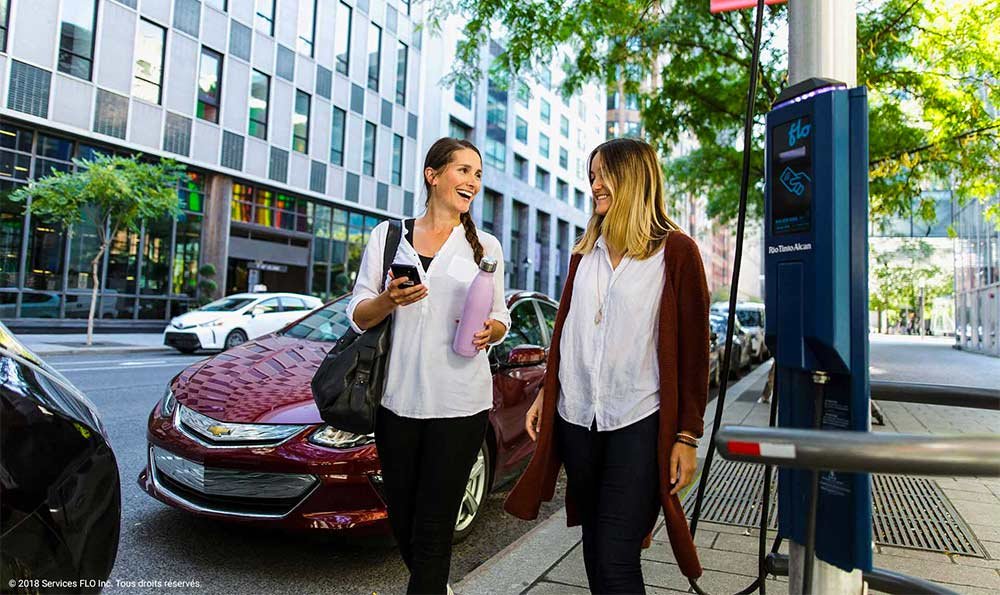
Charging While You’re Out and About
Level 2 public charging is very useful for drivers who want to extend their range throughout the day without having to use a fast-charging station. It’s particularly useful during a shopping trip, a meal at a restaurant, a sightseeing tour, an appointment, or even a workday.
Hotels that offer charging are preferred by electric vehicle drivers.
This type of charging station provides about 40 kilometers of range for every hour of charging.
Many users appreciate the VIP treatment it offers. That’s because charging spaces are often conveniently located near parking spots reserved for people with limited mobility.
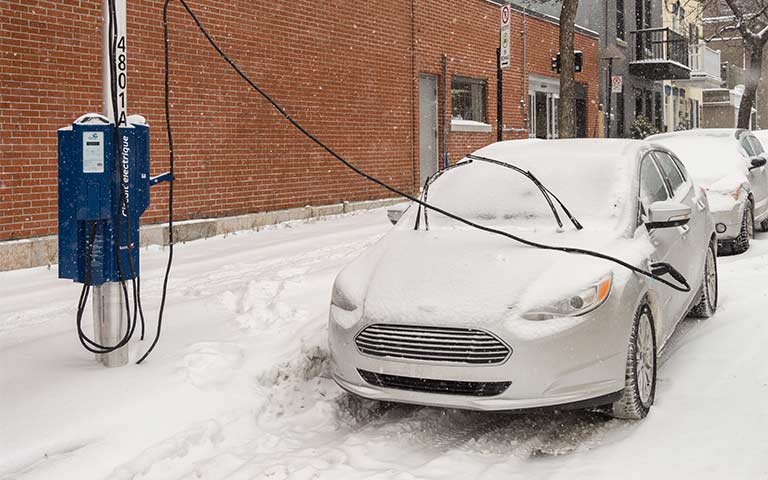
Charging During the Day or at Night
Public street charging provides access to electric vehicles for renters and city dwellers who are unable to install a charging station at home. The cost of charging is similar to that of residential charging. For most users, with a vehicle that has a range of nearly 400 km, one or two charges per week are sufficient... no need to charge your car every night!
It’s also possible to charge your electric car during the workday.
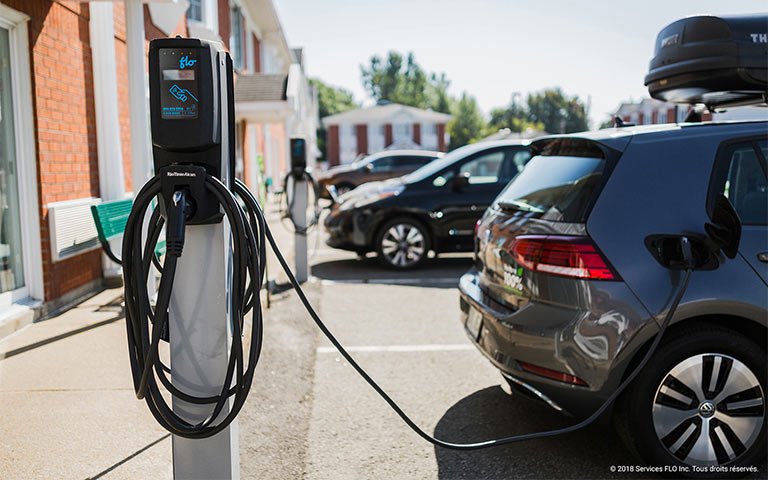
Simple and Cost-Effective
Using a Level 2 public charging station is simple. After parking the vehicle in a designated space, simply start the charging session using a mobile app, a membership card, or contactless payment, then connect the station’s cable to the vehicle.
Once charging begins, the vehicle automatically manages the power it receives. Users can track the charging progress on the vehicle’s display or in the network’s app.
Charging is billed by the hour ($1/h to $3/h) or per session (up to $10). Some businesses offer free charging to attract customers.
